Camera features and settings
Exposure

Exposure is the amount of light which the film (or light sensor) picks up. This is important because it determines the amount of illumination in a photograph. Overexposure is when too much light reaches the image sensor or photographic film and can cause details to be removed from the image, the opposite of this underexposure where not enough light reaches the sensor causing the image to become dark. A camera has several different 'Exposure modes' these include:
 |
| Image by Frans Lemmens |
Shutter Priority (S or TV) - In this mode, you set the shutter speed but the aperture is adjusted automatically so that you get the correct exposure. This mode is generally used to suggest motion in a photograph, this is done by having a longer exposure which makes objects appear blurry. This mode is often used in sports, where they use a short exposure so that the subjects appear 'frozen'.
Aperture Priority (A or AV) - Here you adjust the aperture so that you can choose what is in focus and how blurry the image may be. This is usually used for depth of field, by using a small aperture everything becomes blurred which creates a shallow depth of field and by using a large aperture everything becomes focused. Aperture is the size of the hole in which light is allowed to travel through the lens, this is measured in 'f-stops'. The smaller the f-stop (e.g f/2), the larger the hole meaning more light can travel through.
Auto (P) - This is where everything is done automatically by the camera, this is not very good when trying to make creative decisions because everything is done for you.
Photographic Lenses
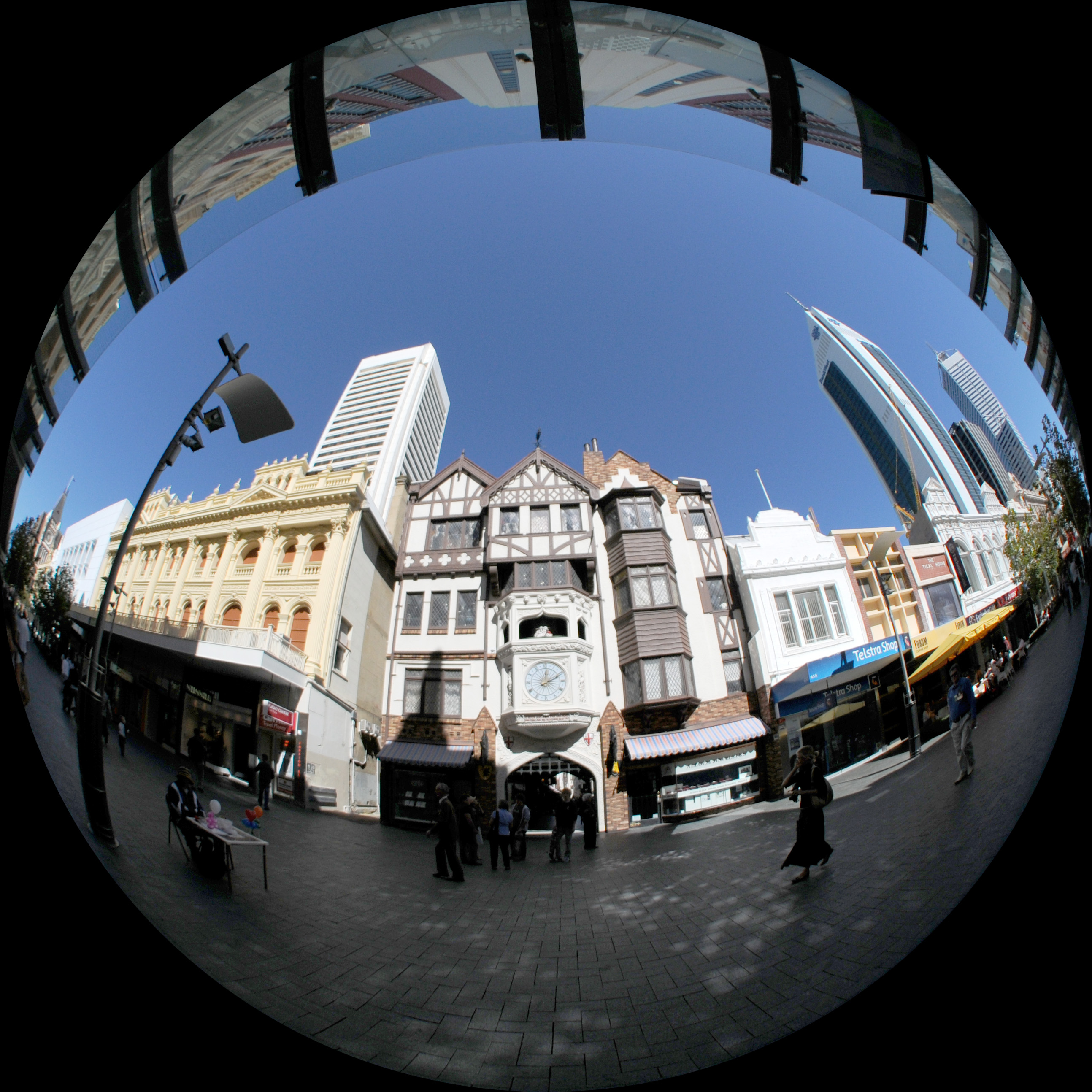
There are various types of lenses. The one that interests me the most is the fish eye lense because I think it gives a great perspective on things and really draws the eye in to the central part of the image. It makes the whole image look spherical and I think that is just a great effect.
I think it's highly possible that I will at least experiment with this lense but I will most likely only use a standard lense just because it is very simple to use. But it also gives a wider view of everything, which of course the fisheye lense does not.